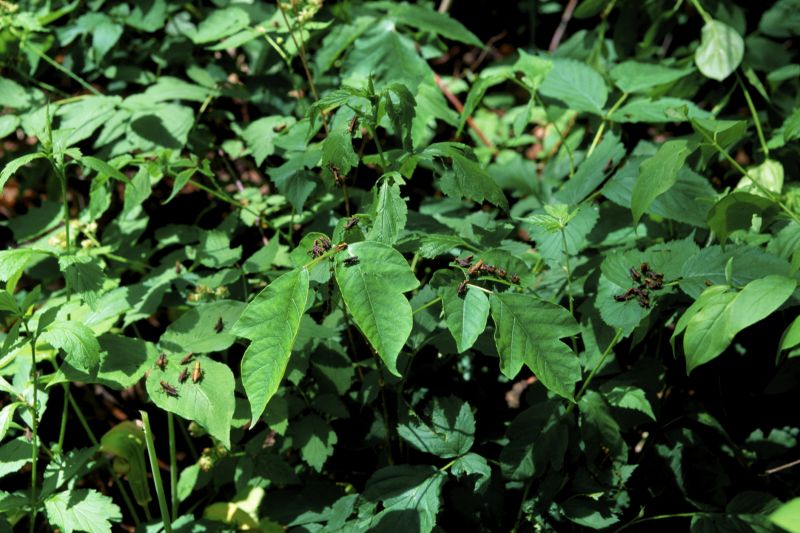
Poison Oak Removal in Montgomery County, PA
Poison oak removal services focus on safely eliminating this hazardous plant from residential properties, including yards, gardens, and outdoor recreational areas. These services typically involve identifying and carefully removing poison oak to prevent skin irritation and allergic reactions for residents and visitors. Projects can range from clearing small patches in landscaped areas to larger infestations in wooded or overgrown sections of a property, ensuring that the environment remains safe and accessible for outdoor activities.
Property owners interested in poison oak removal should understand the importance of proper identification and careful handling of the plant, as its oils can cause skin irritation even after removal. It is also helpful to know the extent of the infestation and whether the removal involves just the visible plants or requires ongoing maintenance to prevent regrowth. Consulting with professionals can provide guidance on the most effective removal methods and help maintain a safe outdoor space.
Many property owners in Montgomery County, PA look into Poison Oak Removal for repairs, replacements, upgrades, and appearance-related improvements.
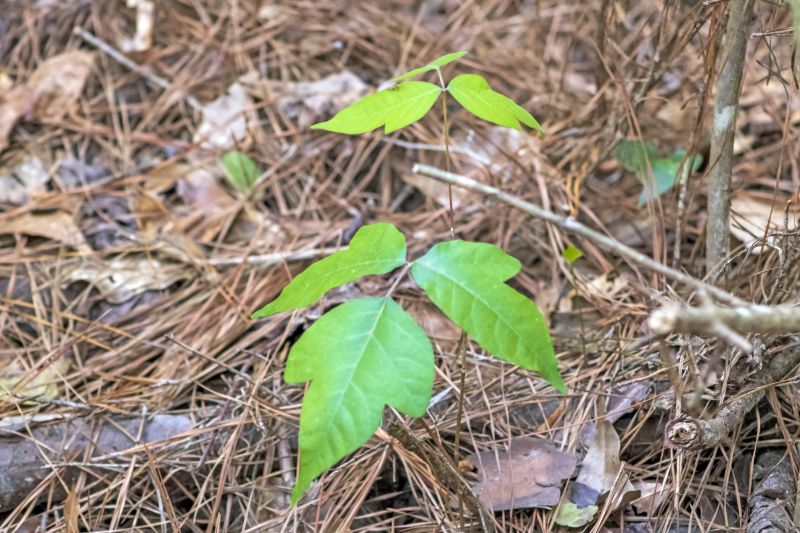
Understanding Poison Oak
Poison oak can cause skin irritation and allergic reactions if touched.
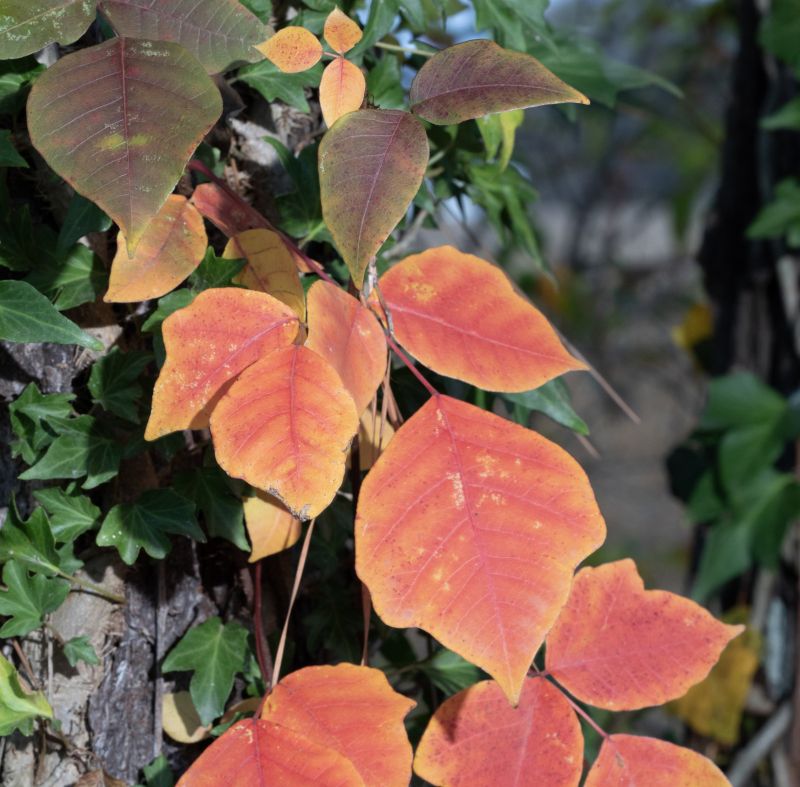
Safe Removal Methods
Professional removal ensures the plant is safely eradicated from yards and wooded areas.
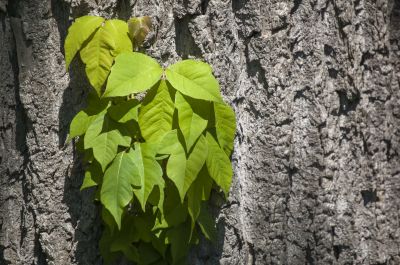
Property Protection Tips
Proper clearing can help prevent accidental contact and keep outdoor spaces safe for families.
Poison Oak Removal in Montgomery County, PA
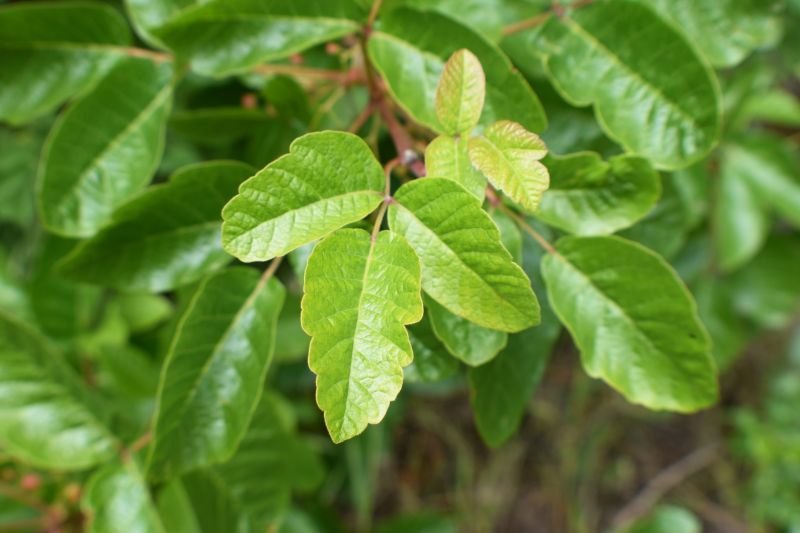
Poison oak removal services focus on safely eliminating this hazardous plant from residential properties, including yards, gardens, and outdoor recreational areas. These services typically involve identifying and carefully removing poison oak to prevent skin irritation and allergic reactions for residents and visitors. Projects can range from clearing small patches in landscaped areas to larger infestations in wooded or overgrown sections of a property, ensuring that the environment remains safe and accessible for outdoor activities.
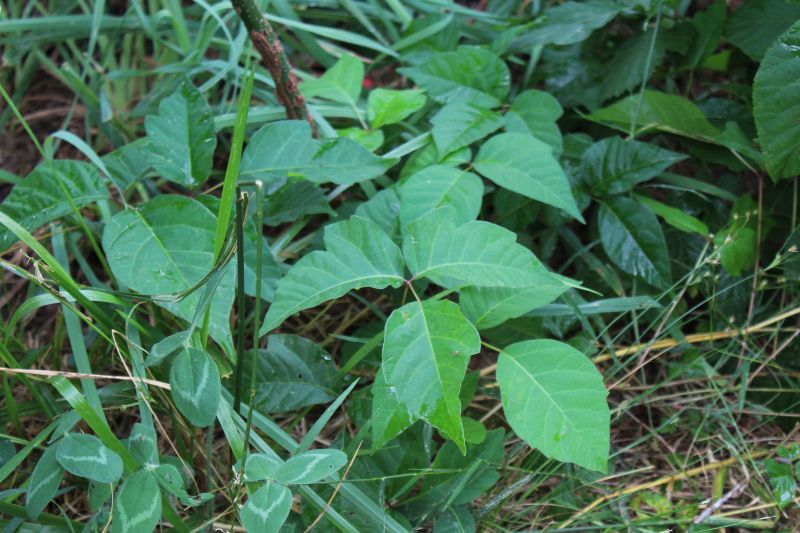
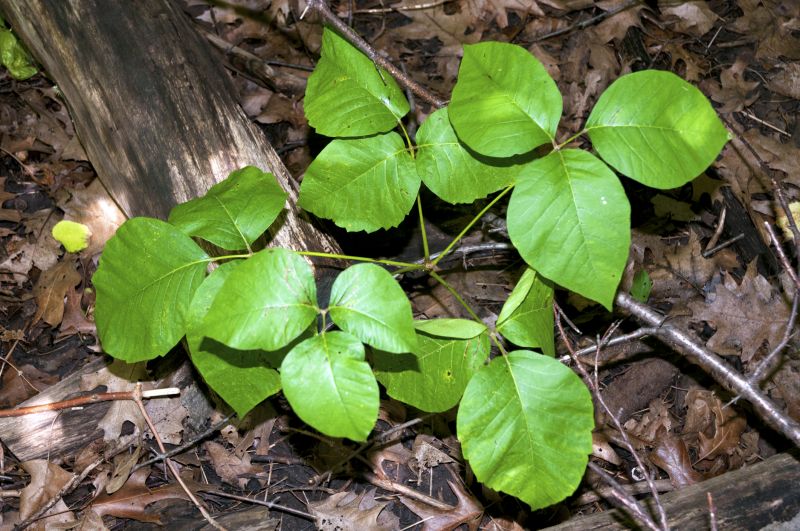
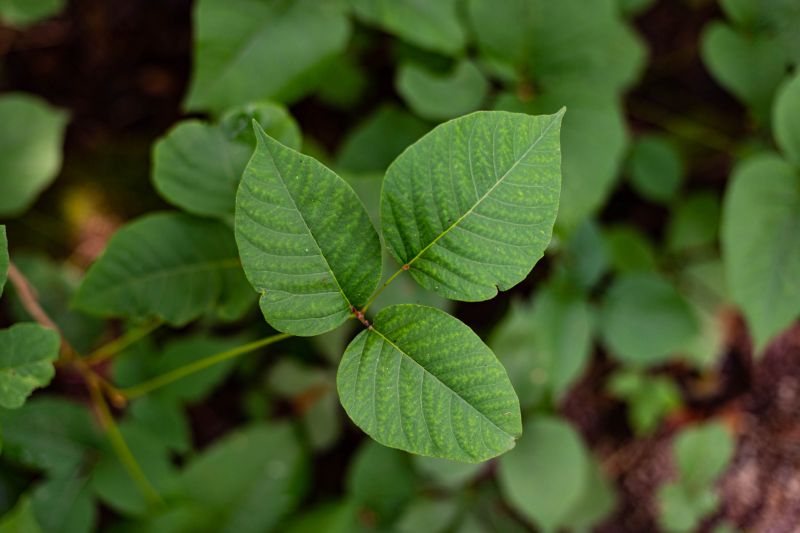
Property owners interested in poison oak removal should understand the importance of proper identification and careful handling of the plant, as its oils can cause skin irritation even after removal. It is also helpful to know the extent of the infestation and whether the removal involves just the visible plants or requires ongoing maintenance to prevent regrowth. Consulting with professionals can provide guidance on the most effective removal methods and help maintain a safe outdoor space.
Many property owners in Montgomery County, PA look into Poison Oak Removal for repairs, replacements, upgrades, and appearance-related improvements.
Common Poison Oak Removal Jobs
Poison Oak Removal - Safe elimination of poison oak from residential landscapes.
Property Clearing - Removal of poison oak to restore yard safety and appearance.
Brush and Shrub Removal - Clearing overgrown areas with poison oak infestations.
Landscaping Cleanup - Removing poison oak to prepare yards for planting or renovation.
Vegetation Management - Controlling poison oak growth to prevent future spread.
Yard Maintenance - Regular removal services to keep poison oak from regrowing.
Poison Oak Removal Questions
What is poison oak removal? Poison oak removal involves safely eliminating the plant to prevent skin irritation and protect the property.
When should poison oak be removed? Removal is recommended when poison oak is present in high-traffic areas or near children and pets.
What methods are used for poison oak removal? Methods typically include manual removal, trimming, and applying targeted herbicides to eradicate the plant.
Is poison oak removal safe for my landscape? Yes, professional removal aims to eliminate poison oak without damaging surrounding plants or property features.
Request Poison Oak Removal in Montgomery County, PA
Use the quote form on this page to share the basics of your project and request more information for the type of work you need.